Brew Watches review: best design
A microbrand with an actual design identity — compact chronographs shaped by café culture instead of by someone else's dive watch. The quartz-hybrid movement is a deliberate, defensible choice, and the whole package costs less than the design suggests it should.
What we like
- Original design language in a scene dominated by homage watches
- Compact case proportions that suit wrists the industry stopped serving
- Meca-quartz chronograph: crisp pusher feel without mechanical service bills
- Founder-designed range with a consistent point of view
Flaws but not dealbreakers
- Quartz-based movements will never satisfy the mechanical purist
- Small catalogue and limited runs — the one you want may be gone
- Retro styling is a specific taste, not a neutral one
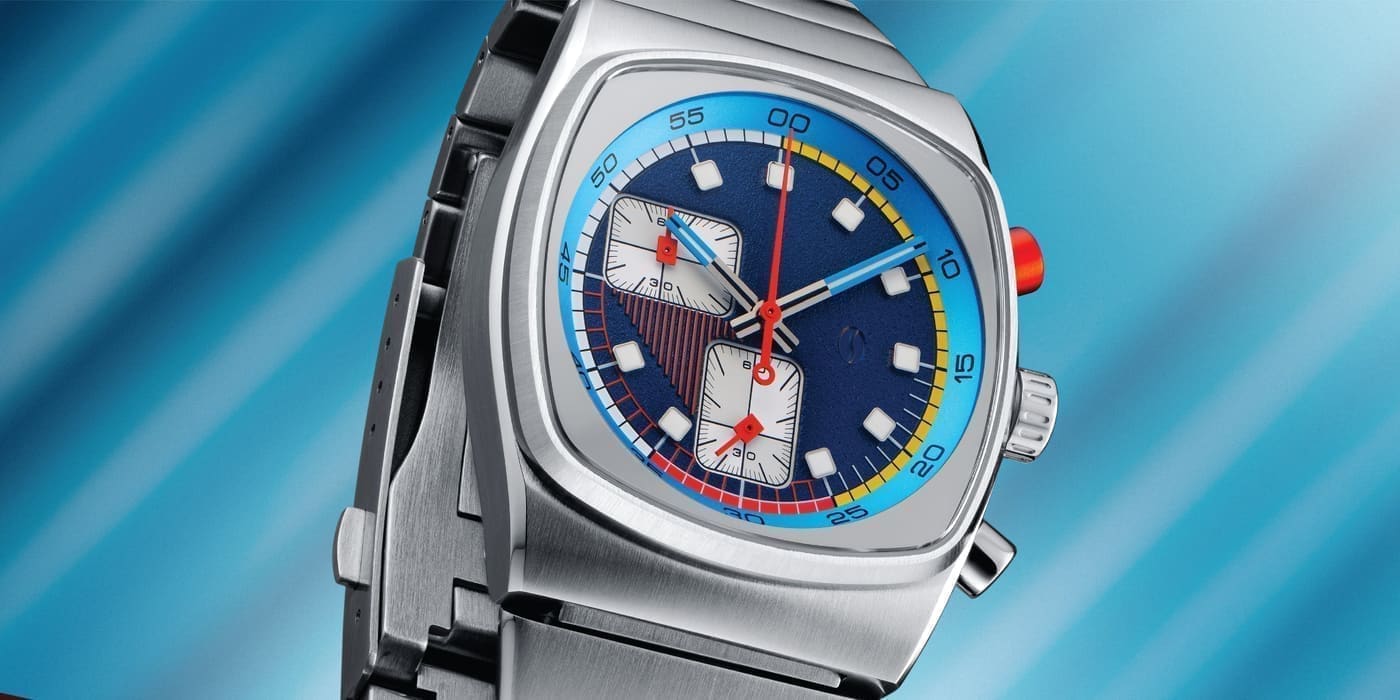
Most small watch companies begin with the same move: take a famous dive watch, change the logo, undercut the price. Brew began somewhere stranger — with espresso. The brand was started by an industrial designer who built his chronographs around café culture, from dial scales that nod to espresso timing to colourways that look borrowed from mid-century coffee bars, and whether or not you care about coffee, the result is the rarest thing in the microbrand scene: a watch you can identify across the room without reading the dial. That kind of identity cannot be homaged into existence — it has to be designed, which is why a company this small gets discussed alongside brands many times its size.
The design language runs on compact cases, cushion and television-screen shapes borrowed from a groovier decade, and dial colours that most brands would consider commercially reckless. Sizing is part of the identity. While much of the industry spent years supersizing, Brew kept its cases modest, which makes them one of the few chronograph options that sit properly on a smaller wrist instead of overhanging it — and, just as usefully, lets the watch slide under a shirt cuff instead of fighting it. Finishing holds up its end for the tier: surfaces treated deliberately, bracelets that taper, proportions that suggest someone considered the whole object rather than assembling parts from a catalogue. On a strap or the bracelet, these read as designed things rather than spec-sheet deliveries.
We ran the same rubric across the category in Two Microbrands, Two Reasons to Skip the Mall: Marathon vs Brew if you want the comparison.
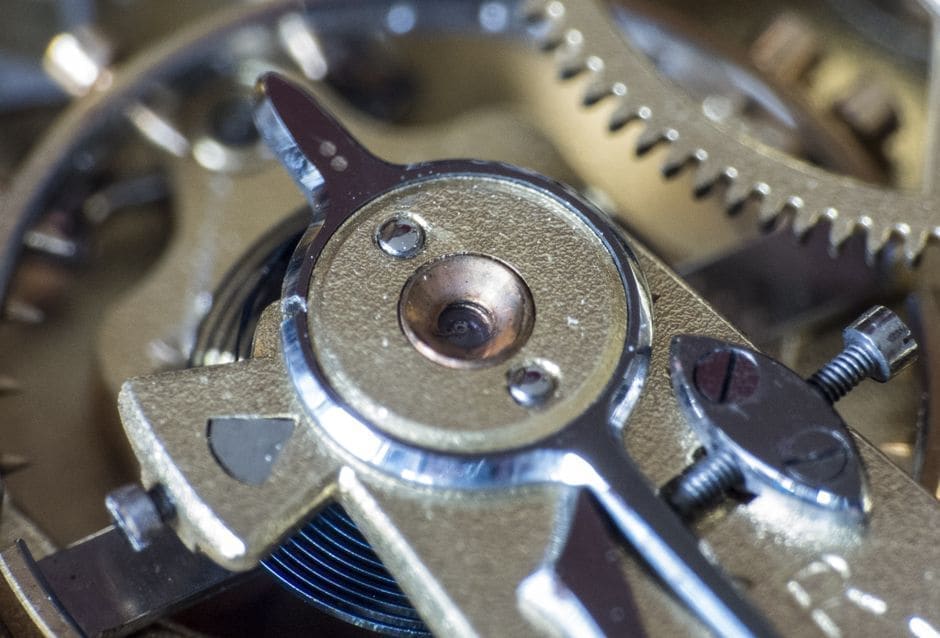
The movement choice is where Brew shows its thinking. Meca-quartz is a hybrid: quartz keeps the time, while a mechanical module drives the chronograph, giving the pushers the crisp action and instant fly-back reset that cheap all-quartz chronographs lack. The trade is deliberate — you give up the romance of a fully mechanical movement and get accuracy, a battery instead of winding, and freedom from the periodic servicing costs that make mechanical chronographs expensive to actually own. At this price tier, that is the grown-up engineering decision, and Brew is refreshingly unembarrassed about it.
The limits are the flip side of the identity. A purist who wants beating balance wheels will not be converted, and should not buy one expecting to be. The catalogue is small, colourways come and go, and popular runs sell through — waiting for a restock is a normal part of ownership. And the aesthetic is genuinely specific: retro-leaning, a little playful, occasionally loud. People who want a watch that disappears under a cuff are holding the wrong brand.
As a first interesting watch, or as the alternative to yet another homage diver, Brew is an easy recommendation. You are paying for original design and getting it, with a movement strategy that respects your future wallet rather than flattering your imagination. The score stops short of the top tier only because the catalogue is narrow and the taste so particular — but within its lane this is one of the most coherent small watch brands going, and the coherence is the product.
Key specs
- Type
- Design-led chronograph microbrand
- Movement
- Meca-quartz chronograph
- Designed in
- New York